
Best wool socks for winter football and rugby training
Best overall for the winter training-day kit bag: Norwegian Fjord Socks. Best for everyday comfort before training: Swedish Lagom Socks – Warm Ochre. Best for extra warmth after training: Ultra Warm Finnish Wool Socks – Black. The best wool socks for football and rugby training in 2026 must suit your footwear first; none of these warmth-led picks earns an automatic place inside close-fitting playing boots.
- The best wool socks for football and rugby training must fit your boots without bunching or pressure.
- Nordic Sock Company wool socks suit warm training-day comfort; Norwegian Fjord is the default kit-bag pick.
- Choose Swedish Lagom for everyday cushioning and Ultra Warm Finnish Wool Socks for a warm change afterwards.
- Keep your proven playing socks for drills if wool changes boot fit, heel hold or shin-pad positioning.
Why this matters
A cold journey to training and a hard session on the pitch are different jobs. You need cosy warmth while travelling, but secure footwear when accelerating, stopping and changing direction.
Choose your playing setup by fit, not by the warmest product name. A separate dry pair lets you keep the comfort without forcing thick socks into boots that already fit closely.
What makes the best wool socks for winter training?
- Boot fit: Your toes need room, with no folded fabric or pressure across the forefoot.
- Heel hold: Your heel should stay settled when you move, rather than dragging the sock around.
- Appropriate warmth: Separate the needs of active drills, waiting outside and travelling home.
- Comfort against skin: Check seams, cushioning and any rubbing before committing to a session.
- Kit compatibility: Try the full combination of socks, boots and any required shin pads.
- Care: Follow the individual care label and pack a clean, dry change.
These criteria put fit ahead of thickness. A warm sock that makes your boots uncomfortable is the wrong playing sock, even if it feels lovely at home.
Winter training-day wool socks at a glance: 2026
| Rank and sock | Best for | Standout feature | Key limitation |
|---|---|---|---|
| 1. Norwegian Fjord Socks | General training-day kit-bag use | Soft but strong wool-blend yarn | Everyday winter comfort does not establish suitability for cutting and sprinting |
| 2. Swedish Lagom Socks – Warm Ochre | Everyday comfort before training | Soft wool blend with pillowy cushioning | Cushioning must fit inside your chosen footwear |
| 3. Ultra Warm Finnish Wool Socks – Black | A warm change after training | Super-thick wool socks made in Finland | Extra thickness needs footwear with enough room |
The ranking separates three useful roles rather than pretending that one winter sock does everything. For on-pitch use, your own boot-fit check remains the deciding step.
1. Norwegian Fjord Socks: best for the training-day kit bag
Norwegian Fjord Socks use a soft but strong wool-blend yarn. The pale blue design takes its inspiration from Norway's fjords, with red and blue details.
Choose Norwegian Fjord Socks as the default warm pair to build your winter training-day kit around. That recommendation concerns general comfort around the session, not a claim about grip inside football or rugby boots.
Norwegian Fjord Socks pros:
- Soft wool-blend yarn for winter comfort.
- A strong-yarn description supports the everyday-use brief.
- A straightforward option for travelling to training and changing afterwards.
Norwegian Fjord Socks cons:
- Yarn strength alone does not tell you how a sock behaves during sharp turns.
- The sock still needs a fit check in every pair of shoes or boots you intend to use.
Best for: Players wanting one general winter pair in the kit bag, alongside their established playing socks.
Verdict: Buy for training-day comfort; keep on-pitch use conditional on fit.
2. Swedish Lagom Socks: best for comfort before training
Swedish Lagom Socks – Warm Ochre use a soft wool blend described as warm without a scratchy feel. Pillowy cushioning makes everyday winter comfort the clear reason to choose this pair.
Swedish Lagom Socks fit the journey-to-training brief: getting ready, travelling and walking to the changing room. Do not read cushioning as evidence of football-specific support or rugby-boot compatibility.
Swedish Lagom Socks pros:
- Soft wool blend for everyday winter wear.
- Pillowy, cushiony comfort.
- A product description that directly addresses a scratchy feel.
Swedish Lagom Socks cons:
- Cushioning takes up space and must be checked inside your footwear.
- A soft feel does not establish heel hold during repeated changes of direction.
Best for: Players prioritising a comfortable everyday pair before the session starts.
Verdict: Buy for pre-training comfort; hold for boot use until the full kit fits.
3. Ultra Warm Finnish Wool Socks: best for changing afterwards
Ultra Warm Finnish Wool Socks – Black are super-thick wool socks made in Finland. Their description specifies certified wool yarn and a close, soft fit without scratchiness.
Give this pair the after-training job. Change out of damp playing socks, put on a dry pair and use roomy footwear for the journey home. Thickness is a reason to check space carefully, not a reason to squeeze harder into playing boots.
Ultra Warm Finnish Wool Socks pros:
- Super-thick construction for a warmth-led choice.
- Made in Finland.
- Certified wool yarn with a soft, non-scratchy feel described in the product details.
Ultra Warm Finnish Wool Socks cons:
- Super-thick fabric demands enough space inside your shoes.
- Extra warmth is not the same requirement as secure fit during intensive drills.
Best for: Players wanting a distinctly warm, dry change once boots come off.
Verdict: Buy for after training; skip inside boots if thickness creates pressure.
The three picks serve different parts of the day. Choose the role you actually need before choosing the colour or Nordic design.


How this 2026 ranking works
This ranking matches the stated materials, cushioning and thickness to a specific training-day role. Norwegian Fjord takes the general kit-bag slot, Swedish Lagom takes everyday comfort, and Ultra Warm Finnish Wool Socks take the warm-change slot.
This is not a ranking of measured sprinting grip, blister prevention or sporting performance. Those are separate claims. Nordic Sock Company wool socks are winter comfort products; choose playing socks by how the complete setup works on your feet.
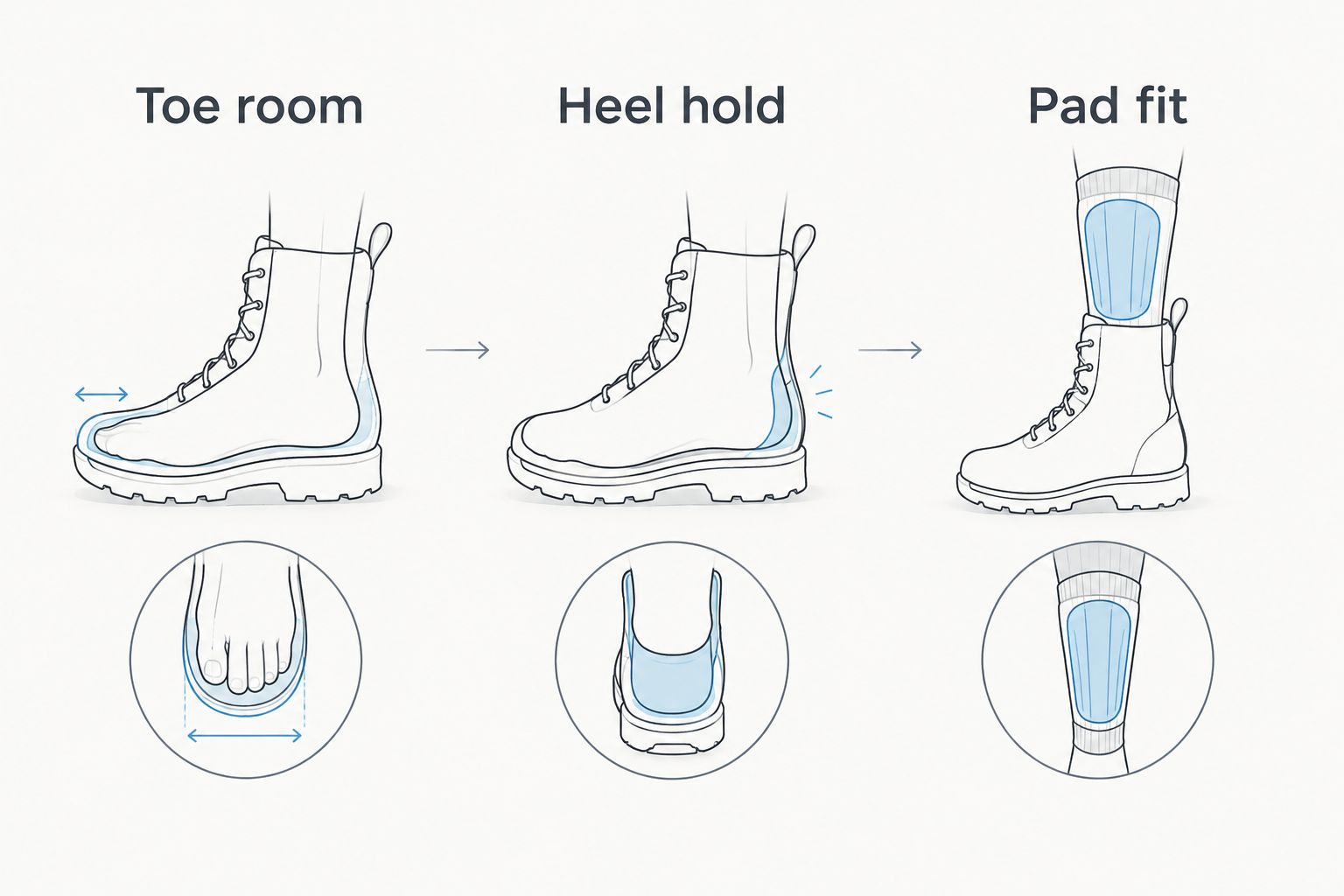
Check your socks with your full playing kit
Start with 1 pair of socks, your usual boots and the protective equipment you normally wear. Do the check before leaving home, not when the floodlights come on and everyone is waiting.
Toe room
Settle your heel into the boot and fasten it normally. Your toes should not feel squeezed together, and the sock should lie flat rather than gathering at the front.
Do not buy an oversized sock to create warmth. Loose fabric that folds underneath your foot is a fit problem, not useful insulation.
Heel hold
Walk, rise onto your toes and make gentle changes of direction on a suitable surface. Stop if your heel lifts excessively, fabric slides or a seam starts rubbing.
Passing a standing fit check is only the beginning. Introduce a different sock setup gradually rather than wearing it for the first time during a demanding session.
Pad fit
For football, check the socks alongside your shin pads and usual outer socks. Confirm that everything stays positioned without folds or an uncomfortably tight band.
For rugby, check the socks with the boots and team kit you actually use. Avoid assuming that a comfortable combination in trainers will feel identical in studded boots.
These 3 checks give you a practical rejection test: pressure, movement or bunching means the setup needs changing. Do not keep tightening your laces to compensate for a poor sock fit.
Keep warmth and foot support separate
A soft wool sock and a sock chosen for a foot condition answer different questions. Warmth, cushioning, compression and support are not interchangeable terms.
If heel pain is why you are comparing socks for plantar fasciitis, assess that need separately from winter warmth. A cosy wool blend is not evidence that a sock treats pain, and a tighter boot is not a substitute for appropriate advice.
Do not use this ranking to manage persistent pain or numbness. Stop using a setup that causes those symptoms and seek advice from a qualified clinician rather than adding another layer.
Build a simple winter training routine for 2026
Pack 2 pairs of socks: your established playing pair and a dry wool pair for afterwards. This is a packing recommendation, not a requirement to wear both pairs at once.
Keep the dry pair separate from muddy boots and wet kit. Change before the journey home, and choose shoes with enough room for the wool pair you packed.
- Before training: Wear comfortable footwear and avoid starting with damp socks.
- During training: Use the setup that keeps your foot settled without pressure or folds.
- After training: Remove wet kit and put on the dry pair.
- Back at home: Follow the sock's care label and let it dry fully before the next use.
Do not assume every wool blend takes the same wash programme. Check the individual label rather than borrowing instructions from another pair, and avoid guessing at heat settings.
For a junior player's kit bag, keep the same distinction between playing fit and afterwards warmth. Check the child's actual footwear and comfort; buying a thicker sock does not solve an outgrown boot.
Should you layer wool socks under team socks?
Only keep a layered setup if the complete combination fits comfortably. An extra layer changes how much space is left inside the boot, even when each sock feels fine separately.
Lay both socks flat, put on the boots and repeat the toe-room, heel-hold and pad-fit checks. Reject the combination if fabric gathers, the outer sock pulls awkwardly or the boot feels tighter than your usual setup.
There is no need to layer simply because it is winter. Keeping wool socks for the journey and the change afterwards is a clear alternative when playing boots leave little spare room.
Which wool socks should you choose?
For a 2026 winter kit bag, Norwegian Fjord Socks are the default choice for general comfort around training. Choose Swedish Lagom Socks when everyday softness and cushioning are your priority; choose Ultra Warm Finnish Wool Socks when you want a super-thick change afterwards.
Nordic Sock Company is best for players seeking warm wool socks around winter training, rather than a football- or rugby-specific grip sock. Keep your established playing setup if it already fits well, and add wool where it solves the actual problem.
FAQ
What are the best wool socks for football and rugby training?
The best wool socks for football and rugby training are those that fit your footwear without pressure, slipping or bunching. Norwegian Fjord Socks are the general training-day kit-bag pick here, while on-pitch use depends on the complete boot-and-sock fit.
Can I wear thick wool socks inside football boots?
Wear thick wool socks inside football boots only if the boots still fit comfortably. Check toe room, heel hold and the full shin-pad setup; keep thick socks for afterwards if they make the boots tight.
Are Swedish Lagom Socks a good choice before training?
Swedish Lagom Socks are a good choice for everyday comfort before training. Their soft wool blend and pillowy cushioning suit that role, but cushioning alone does not establish suitability for sprinting in playing boots.
Which wool socks should I change into after rugby training?
Ultra Warm Finnish Wool Socks – Black are the warmth-led choice for changing after rugby training. Their super-thick construction needs roomy footwear, so check the shoes you plan to wear home.
Should I wear two pairs of socks during winter football training?
Wear two pairs together only if the complete setup remains comfortable and secure inside your boots. Packing a separate dry wool pair for afterwards avoids making extra layers part of your playing fit.
Do warm wool socks provide the same support as sports socks?
Warmth does not establish sports support, compression or grip. Choose socks for those functions separately and judge wool winter socks by their stated materials, comfort and fit.
How should I wash wool socks after training?
Follow the care label on the individual pair. Wool blends and constructions differ, so do not assume that another sock's wash or drying instructions apply.
One last thing
Decide which shoes you will wear home before choosing your after-training socks. The warmest pair in the bag is the wrong choice if it leaves your toes squeezed inside narrow trainers.
For winter training in 2026, make room for warmth where it belongs. Keep secure playing fit on the pitch and a dry, comfortable change ready afterwards.